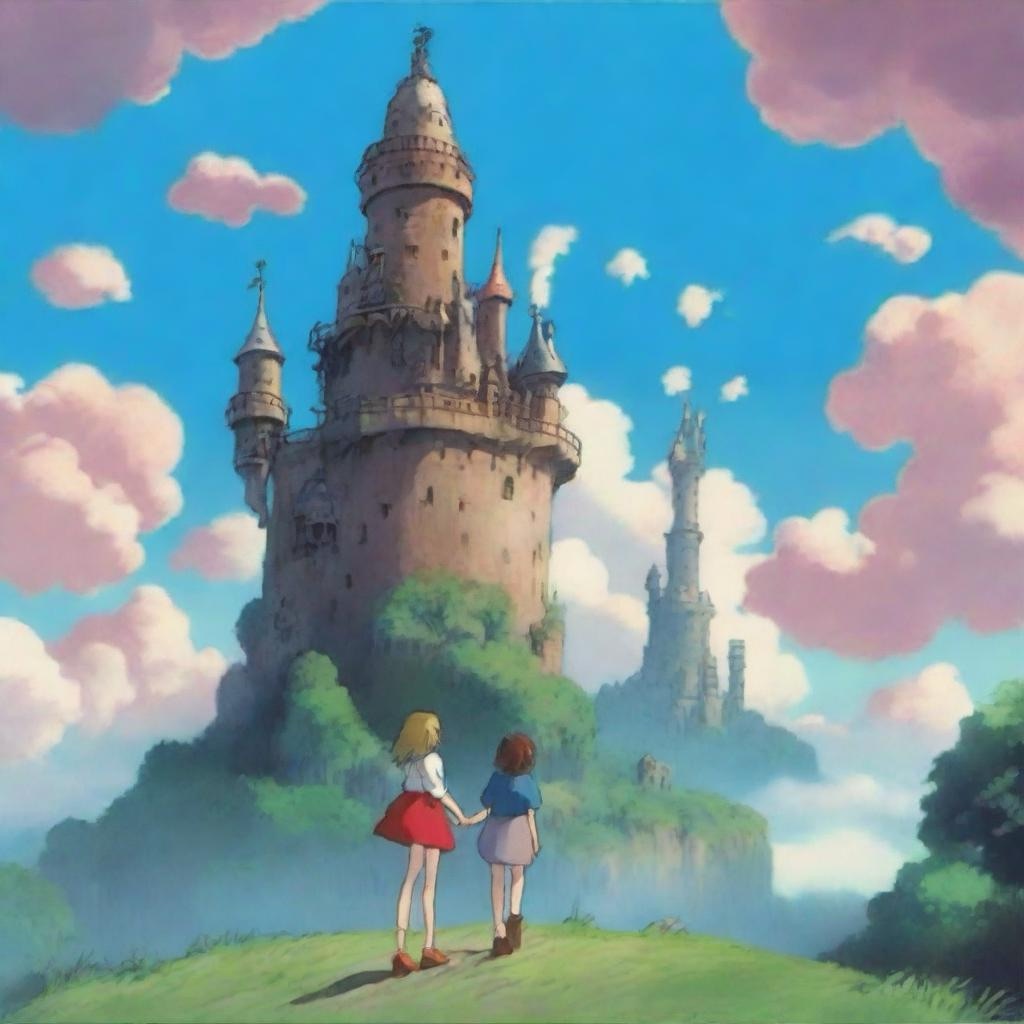
At a time when headlines scream disaster and social media feeds are filled with conflict, there is increasingly a yearning for stories that offer some lightness from the darkness. Then comes the realm of cozy fantasy—a quiet-gaining subgenre that offers readers a warm hearth around which to gather during the storms of literature and the real world.
But what is cozy fantasy, and why should it matter to anyone? Most fundamentally, cozy fantasy holds that even in a world full of magic and wonder, it is those small comforts and everyday triumphs which really strike home. It’s a genre that claims that as much as there might be dragons lurking on the horizon, there is always time for a cup of tea and a moment with found family.
Cozy fantasy is not just some flash-in-the-pan trend or saccharine escape. It is a resilience-building action that becomes that beacon of hope, reminding one that there is some inherent goodness within the world around, either real or imagined.
In this post, we’ll examine what makes light-filled stories so needed in the fantasy genre, how they affect readers, and the specific challenges and rewards to writing in such a style. From psychological benefits given by positive narratives all the way through subtle ways these stories can discuss complex problems, let’s journey right into the heart of cozy fantasy and why it is needed more now than it ever was.
Defining Cozy Fantasy:
Though it has rapidly grown in popularity, cozy fantasy remains hard to pin down with a definition. At the heart of it, it is a subgenre of fantasy that focuses on warmth, comfort, and sense without swaying away from conflict or depth. Uniquely different from its grittier cousins, it holds out a promise to readers that no matter how dire things get, there will always be those moments of respite and connection that lead through to satisfaction at the end.
Some of the key elements in cozy fantasy often include:
1. Low-stakes conflicts: Sure, the characters might get into scrapes, but almost never is the fate of the entire world at stake.
2. Relationships: Think found family, hardy friendships, and supportive communities at the heart of the story.
3. Cozy settings: Whether it is a magical bakery hidden away in some secluded corner or a cottage in an enchanted forest, the settings somehow evoke feelings of safety and warmth.
4. Subtle magic systems: Magic in those kinds of stories is usually used to improve one’s day-to-day life, not as a way of fighting epic battles.
5. Character development: Personal development and addressing personal challenges often take the fore, rather than any type of larger quest.
6. Positivity: This type of story usually carries themes about self-discovery, altruism, and empowering community.
7. Satisfying endings: Though not invariably strictly “happy,” endings in cozy fantasy convey to the reader a sense of hope, statute, and satisfaction.
In this regard, one should note that ‘cozy’ does not imply simplistic or bereft of heft. These stories can and are about complex themes and real-world issues but treat them through the Prism of optimism and with the guarantee that goodness will win out.
Psychological Benefits of Positive Stories:
However, the effect of the stories we read does not stop there. Psychological studies have long known that the stories with which we engage have a profound impact on our mood, outlook, and behavior. This is where cozy fantasy can play a real role in the lives of its readers.
1. Mood improvement: Reading positive stories found in cozy fantasy improves one’s mood and reduces symptoms of depression. To that regard, a journal article in the Journal of Poetry Therapy showed that positive readings brought about an increase in the positive feelings of individuals and a reduction in their negative feelings.
2. Decreases Stress: Reading comfortable plots can decrease stress. The activity of reading normally relaxes a person, and adding an element that reassures the reader about good outcomes can really help in decreasing anxiety.
3. More Empathy: Relationship- and community-centered stories typical in cozy fantasy might increase feelings of empathy in readers. According to the Annual Review of Psychology, by reading fiction, one can actually improve theory of mind—the ability to understand the mental states of others.
4. Building Resilience: Often, characters in cozy fantasy win through adversity due to their hard work, resourcefulness, and others. Exposure alone from such plots might serve to model this resilience for the reader and promote coping skills.
5. Hope and Optimism: A world bombarded by negative news and subjective stories that instigate the feeling of goodness still existing and, at the same time, possibilities of positive outcomes happening engender hope and optimism. This state of mind has been associated with superior physical and mental health outcomes.
6. Enhanced Self-Efficacy: More so when one identifies oneself with a character who solves problems and is in the process of developing throughout the storyline, it enhances one’s belief in the ability to fight back challenges.
7. Social Connection: Cozy fantasy, focused on community, may bring to mind the value of social relations and how important it is to nurture these bonds for readers.
What one needs to realize here is that none of these benefits is dependent on stories being unrealistically positive or that they have to turn a blind eye to real problems. Indeed, it could be that cozy fantasy dealing with genuine issues in a hopeful and resilient light is especially powerful at giving these psychological benefits.
Cozy Fantasy as Escapism:
Though the term “escapism” is often pejorative, implying he’s trying to avoid life unrealistically, for cozy fantasy, it really does help perform an important, even practical function.
1. Momentary getaway: When life becomes too stressing or overwhelming, cozy fantasy allows a momentary mental retreat that recharges to come back and do battle.
2. Broadened Perspectives: Conceiving of alternate worlds and situations around the reader allows for obtaining new views on life and its problems.
3. Emotional Regulation: Exposure to comforting stories could enable readers to work through and proactively manage their emotions in a very secure, controlled environment.
4. Real-World Change: On the other hand, instead of inspiring passiveness, positive fantasy inspires readers to get up, seek or create more warmth and positivity in their own lives.
5. Preservation of Wonder: Cozy fantasy helps retain that sense of wonder and possibility in a world mostly bereft of its magic.
6. Safe Exploration of Emotions: The stories afford readers an opportunity to safely get into difficult emotions—not quite having the real-life situation’s exact stakes.
7. Cognitive Break: This reading escapism might afford a needed cognitive break for a mind and at times can even be what it needs to refocus on tasks with improved ability and productivity.
While excessive escapism is a problem, the type that cozy fantasy offers—that which affirms the existence of goodness and the power of community—can be a healthy coping mechanism and a source of strength.
Addressing Real-World Issues Through a Gentler Lens:
There’s a common misconception that cozy fantasy shies away from the serious issues of life. Possibly, this sub-genre has a special place in addressing very complex real-world problems in a special way, often more approachable.
1. Allegorical approach: Cozy fantasy might use magic or fantastic elements as allegories for real-word issues, making readers further away from that which is being discussed.
2. Solution-oriented: Though these stories do acknowledge problems, they orient themselves toward the solution—that is, how to get out of the problem—which might indeed inspire readers to try to solve their problems again with renewed hope and creativity.
3. Representation: Cozy fantasy can help in further inclusivity, by representing varied characters and cultures in a positive manner of affirmation.
4. Environmental Themes: Many of the cozy fantasy stories are tinged with some themes on harmony with nature, subtly with an appeal to environmental concerns.
5. Awareness about Mental Health: Quite often, these are stories of characters winning against their internal struggles, making it easy to normalize conversations about mental health.
6. Social Commentary: Through a fantastical society, authors are able to comment on the social structures and norms of the real world.
7. Resolution of Conflict: Cozy fantasy often depicts how conflicts can be resolved nonviolently, offering alternative ways to handle disagreements.
It’s due to this tame, hopeful context that challenging themes in cozy fantasy can become more palatable and reach readers who might have become overwhelmed by more direct or gritty ways of treating them.
The Challenge of Writing Meaningful Cozy Fantasy:
Naturally, impactful cozy fantasy does not come without its difficulties. For me as a writer, various issues have arisen with this subgenre:
1. Comfort vs. Conflict: The trick is to create enough tension to move the story along but not to let the conflict overshadow its comforting nature.
2. Sickly Sweet Narratives: The line is fine between a cozy mystery and a saccharine quality. The aim is to generate warmth without being an unacceptably unrealistic positiveness.
3. Meaningful Stakes: Though the fate of the world will not hang in the balance, these challenges should be imperative to both the characters and readers.
4. Nuanced Characters: Characters in cozy fantasy must also be complex, flawed, growing, and changing throughout the story.
5. World-Building with Warmth: This world ought to feel magical but comfortingly familiar. It is setting a scene that speaks of warmth, safety, and comfort even amidst—or especially during—adventures and challenges.
6. Serious Themes: It is possible to explore deep, even serious themes, without losing the feeling of coziness. The trick is to deal with the issues thoughtfully and respectfully but lightly.
7. Low-Stakes Story Pacing: To keep a reader interested without constant high-tension plot points requires skill in narrative construction.
8. Working genre expectations: Readers of cozy fantasy have certain beliefs on the tone and content of the story. Attempting to appease those and bringing a unique element to the table makes this such a balancing act. I liken it to crafting a traditional Romance, in that there are expected beats to the story and that ‘happily ever after’ or ‘happy for now’ which readers crave.
These challenges notwithstanding, writing cozy fantasy comes with immense rewards. There is something deeply fulfilling about the process of putting together stories that would, hopefully, help readers through tough times by offering comfort, hope, and gentle wisdom.
The Future of Cozy Fantasy:
Looking forward, a number of trends suggest a great future for cozy fantasy:
1. Growing Demand: During these uncertain times, more and more readers are reaching out for hopeful and comforting stories.
2. Cross-Genre Expansion: We can witness elements of coziness blended into other fantasy sub-genres in the making of new hybrid forms.
3. Diverse Voices: A much greater number of diverse authors are now entering the field, with fresh approaches that further define what might be meant by “cozy.”
4. Multimedia Adaptations: The success of Cozy Fantasy in literature is gradually leading to adaptations through other media, in terms of animation and games.
5. Innovations in World-Building: Authors are trying to build immersive and comforting worlds that feel fresh and exciting.
6. Grappling with Bigger Themes: Cozy fantasy is increasingly being used to engage with some of the weightiest social and personal issues most accessibly.
7. Building Communities: Online communities building up around cozy fantasy are getting larger, constructing an area for fans to come together and share.
With the world still precarious, cozy fantasy can only grow more in its role in the dispensation of hope, comfort, and gentle wisdom.
It reminds us of the power of kindness, strength found within community, and magic in everyday life. Instead of being a simple escapist fantasy, they actually hold psychological benefits that help resilience, empathy, and optimism for their readers.
This does not mean that, being writers and readers of cozy fantasy, problems are blinded to across the world. Rather, it involves opting to have faith in the possibility of positive change in the world, in the power of individuals to create a difference, and in the eventual good that can be found.
In making and devouring these stories, we’re not just entertaining ourselves – we’re growing hope, building community, and lighting candles in darkness. But in so doing, we don’t just shift narratives; we change lives, one tale of cosiness at a time.

 Tracy Sutherland
Leave a comment